





The cost of lies is paid in public trust
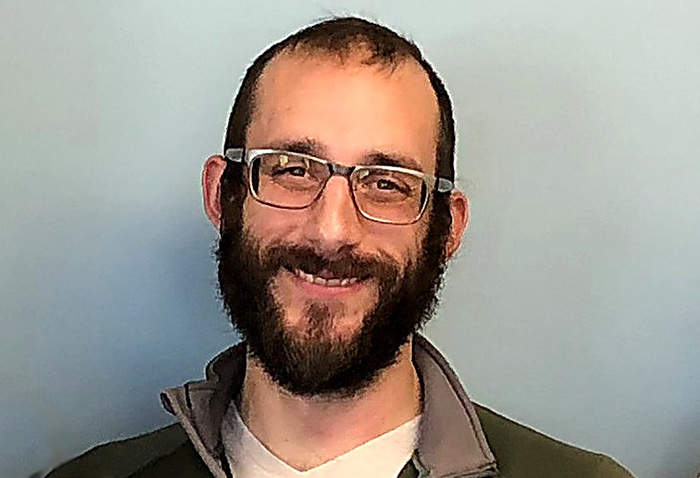
Minneapolis ICU nurse Alex Pretti, 37, was shot and killed by ICE officers on January 24. Photo/Wikimedia Commons
by Peter Weinberger | pweinberger@claremont-courier.com
Two Minnesotans are dead after encounters involving federal immigration enforcement, and the country is watching a familiar pattern unfold: what people can see on video versus what officials say happened.
On January 7, 37-year-old mother Renee Nicole Macklin Good was shot and killed by ICE agents. On the 24th, ICE agents shot and killed ICU nurse Alexander “Alex” Pretti, also 37.
Those are facts. The deeper issue is what followed: a tug-of-war over reality itself.
In Pretti’s case, Reuters reported that verified bystander video contradicts the administration’s early account that agents fired because he approached with a handgun. Reuters described footage showing Pretti holding a phone as agents wrestled him to the ground, and a firearm being removed from his person — but not drawn — prior to ICE agents opening fire.
The Associated Press also laid out the contradiction in plain terms, reporting videos show Pretti with a phone in his hands and on the ground when he was killed, while officials publicly characterized him as a violent threat.
In Good’s death, AP reported the earliest details of the shooting and the federal operation surrounding it. (“ICE officer kills a Minneapolis driver in a deadly start to Trump’s latest immigration operation”) On January 9 it reported on new video and prosecutors urging the public to share recordings. (“New video of fatal Minnesota ICE shooting, from officer’s perspective, brings fresh scrutiny”)
And yet, in the public language coming from the top, these killings were framed in ways that didn’t match what viewers saw. ABC News reported the White House distancing President Trump from claims by DHS Secretary Kristi Noem and others, including Noem’s accusation of “domestic terrorism” made without evidence.
Because if the government can say a man holding a phone was a terrorist threat — and treat that as settled fact — then language itself becomes a weapon. “Terrorist” stops being a term with a definition and becomes a label for anyone in the way. The word does the work. It excuses whatever happens next, and it warns everyone else to keep quiet. It tells the public, “Don’t believe your eyes. Believe us.” That is a dangerous precedent in any democracy, regardless of who is in office.
Here’s what’s not partisan: when there is verifiable, credible video, and officials still sell a version of events that materially conflicts with the record, trust collapses. Not trust in a party — trust in the country’s ability to tell the truth about itself.
If that sounds dramatic, it’s because history is full of governments that tried to outtalk reality — and lost.
HBO’s Emmy award winning miniseries “Chernobyl” not only focused on the nuclear disaster, but also on the massive cover-up by the USSR. In a way, the series wasn’t really about a nuclear power plant. It was about a system that trained itself to deny obvious facts until denial became policy. Its most famous line lands because it describes the human cost of manufactured narratives: “Every lie we tell incurs a debt to the truth. Sooner or later, that debt is paid.”
Another line is even more chilling in a video age: “When the truth offends, we lie and lie …” And the simplest question of all, “What is the cost of lies?”
In Minneapolis, the cost is not theoretical. It is paid by families and communities first — and then by the rest of us, as public trust erodes. Because once people conclude that official statements aren’t meant to match observable reality, the damage spreads far beyond any one case; it infects courts, elections, public safety, public health — everything that depends on credible institutions.
So what do we do when government claims clash with what’s on camera?
We do the boring, necessary work. We compare official accounts to primary evidence; insist on clear timelines; read more than one credible report; and notice when language is being used to preempt scrutiny. In this case, Reuters, CNN, The New York Times and AP all documented contradictions between early official statements and what video shows or what journalists reviewed. That is the reference point the public can check.
Truth is not a vibe. It’s the record. And when the record is on camera, a government doesn’t get to replace it with a story that’s a lie or exaggeration, while suppressing evidence. Regardless, we come back to a basic fact that cannot be explained away: the camera doesn’t lie.
Mistrust doesn’t just hurt Washington. It corrodes communities like Claremont. Local government depends on public cooperation. CUSD depends on credibility. Courts depend on legitimacy. Journalism depends on a shared agreement that evidence matters and words mean things.
Because if we let reality be negotiated whenever it becomes inconvenient then sooner or later we all learn the answer to the question, “What is the cost of lies?”







0 Comments