




Viewpoint: Latino children left behind in California’s dental divide
Photo/by Cedric Fauntleroy
by Dr. Paula Izvernari
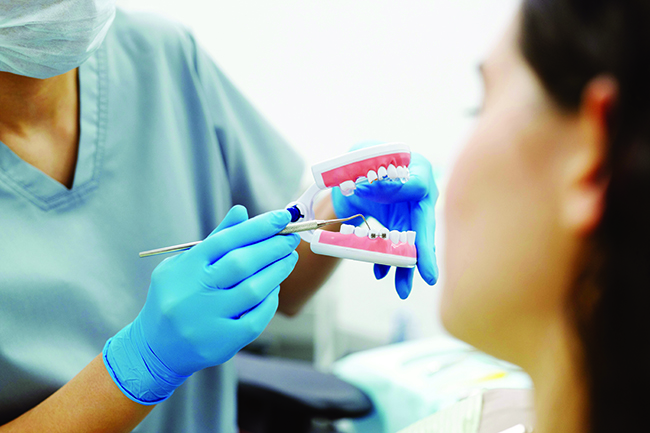
As a dentist in Montclair, I have heard the same heartbreaking story from too many Latino parents. Their child wakes up crying from a toothache, unable to eat, sleep, or concentrate at school. In desperation, families spend days calling clinics, only to hear that the office doesn’t accept Medi-Cal or that the next available appointment is months away. These are hardworking parents doing their best for their children, yet a simple cavity is allowed to spiral into a serious health issue. This is a systemic failure that threatens the children’s well-being.
Montclair is a working-class community where almost 72% of residents are Hispanic. Many of them are juggling multiple jobs, caring for extended family, and relying on public insurance to meet basic health needs. Yet, when it comes to dental care, the system continues to fail them. While conversations around healthcare equity have grown louder, oral health still remains a neglected corner of policy and funding — even though it directly affects a child’s ability to grow, learn, and thrive.
A persistent dental gap in Hispanic communities
Hispanic children in California are nearly twice as likely to suffer from untreated cavities as white children. This is not just a statistic; it shows up every day in missed school days, poor nutrition, speech difficulties, and low self-esteem. Untreated dental issues don’t simply go away; they worsen, often developing into infections, abscesses, and emergencies that could have been prevented with routine care.
Many families technically have dental coverage, but in practice, dental care is still out of reach for them. California’s Medi-Cal budget exceeds $100 billion annually, yet recent budget pressures and shifting priorities threaten essential preventive programs, including routine checkups, fluoride treatments, and school-based dental screenings. These services are the first line of defense against serious dental problems, and should not be treated as extra privileges.
The provider shortage no one talks about
One of the most significant barriers is the state’s low reimbursement rate for dental providers under Medi-Cal. These rates are among the lowest in the nation, and for many dental offices, accepting a large number of Medi-Cal patients means operating at a financial loss. It is no surprise that many providers limit or completely stop taking these patients. The result is that less than half of the children enrolled in Medi-Cal received a preventive dental visit in 2022.
In communities like Montclair, the reality on the ground feels even worse. Parents describe calling several offices before they find one willing to see their child. By then, the problem has usually become more painful and more difficult to treat.
This is an equity issue, not just a healthcare one. When children are in constant pain or embarrassed by the appearance of their teeth, it affects their self-esteem, social development, and performance in school. In my opinion, a child’s access to dental care should never depend on their ZIP code, the language spoken at home, or the type of insurance their parents carry.
What California must do to close the gap
If California truly wants to close the gap in oral health for Hispanic children and other underserved communities, meaningful action must focus on access, not just policy. Increasing reimbursement rates is a necessary step to encourage more providers to participate in Medi-Cal without risking financial instability. Fair, realistic compensation would allow more small and mid-sized dental practices to open their doors to local families.
Bringing care directly to children would also make an enormous difference. Expanding mobile dental clinics and school-based dental services can remove transportation and scheduling barriers that so many parents face. When care is available at school or in the neighborhood, children are far more likely to receive regular checkups and early treatment. Alongside this, strong, bilingual community outreach is essential. Many parents still do not know what services are covered for their children or where they can go for affordable care. Clear, culturally relevant information shared in schools, churches, community centers, and local events could dramatically improve awareness and participation.
Finally, dental care needs to be more closely integrated into overall healthcare. Pediatricians and family doctors often see early signs of tooth decay, but follow-through on dental referrals is inconsistent and difficult for families to navigate. Better coordination between medical and dental providers, shared records, and even co-located services could help ensure that children do not fall through the cracks simply because the system is fragmented and confusing.
California is known for healthcare reform and innovation, but that leadership role now needs to extend into children’s oral health, especially in Latino communities that have been underserved for far too long. No child in Montclair, or anywhere else in the state, should lose sleep because their parents cannot find a dentist who accepts their insurance. Until access becomes as universal as the need for care itself, the promise of equal healthcare for all children remains unfulfilled.
Dr. Paula Izvernari is an experienced dentist based in Montclair, an associate professor at Loma Linda University, and a proud U.S. Navy veteran.



0 Comments