





Viewpoint: As federal financial aid uncertainty rises, community support is essential
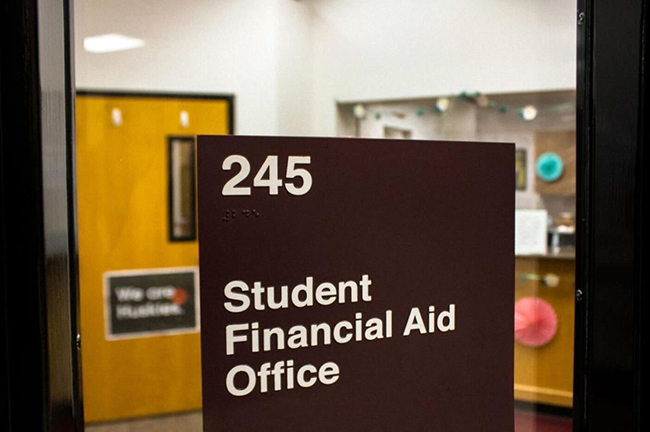
Photo/courtesy of the Northern Star Newspaper
By Traci Lanier | Special to the Courier
This commentary was originally published by EdSource at edsource.org/2026/as-federal-financial-aid-uncertainty-rises-community-support-is-essential/754739. Sign up for their daily newsletter.
For many California students, March is supposed to be a time of excitement. Financial aid applications are submitted, college acceptances are beginning to come through, and students feel one step closer to college.
But for students from low-income backgrounds, this school year brings uncertainty and fear. The widening gap between rising costs and stagnating aid, like the Pell Grant, whose maximum award has remained unchanged at $7,395 since 2024, creates difficulties for many students.
While decades of data continue to show that a college education is the strongest pathway to economic mobility and long-term opportunity, students are now left wondering if college is worth their time and money.
The answer is always yes.
Since taking office, the Trump administration has made it a priority to dismantle the Department of Education and roll back policies designed to reduce barriers to education for historically underserved communities. These efforts include sharing the personal information required for the Free Application for Federal Student Aid with Immigration and Customs Enforcement, which has created fear among students from immigrant backgrounds. The administration has also supported the Department of Justice’s lawsuit against California’s AB 540 law, which currently allows undocumented students to qualify for in-state tuition.
These ongoing hurdles introduce additional uncertainties for students who rely on federal and state financial aid, making college no longer feel like a pathway to opportunity, but a financial risk. With rising uncertainty in federal support systems, community support has become increasingly critical.
Community investments like local and need-based scholarships and career and internship opportunities, coupled with dedicated mentors, help students make informed college decisions, maximize their funding opportunities and reduce the financial stress (and fear) associated with pursuing higher education.
It is not solely the responsibility of students to seek out resources to address this; community leaders must also step in to provide guidance and support where federal government assistance falls short. California is already leading the charge by investing in its people through its California Jobs First initiative — strengthening communities and building a highly educated, future-ready workforce.
Community and need-based scholarships show students that their communities are invested in their success and allow them to pursue higher education while being able to stay close to family and friends who help them feel safe. Even relatively small scholarships help reduce loan reliance, cover costs of attendance and plant a seed of retention by sending a powerful message to students that leaders in their community believe in them.
For students facing uncertainty, these support systems often feel safer and more accessible than federal aid. Community-based scholarships also help ensure that students persist throughout their college journey, providing flexible support for expenses like housing, transportation and books. During these difficult times, community support can be the deciding factor in whether a student pursues a college degree.
California must ensure that higher education remains accessible for all students.
At the same time, community support must continue to expand. Local organizations can create a lasting impact by investing in scholarships and working with higher education systems to implement meaningful opportunities for students to gain valuable work experience. Through these actions, community leaders can do much more than financially support individual students. They can also strengthen California’s workforce.
The future of our community depends on the students we support today. They will go on to become California’s teachers, nurses, engineers and leaders. Ensuring all students have access to higher education is an investment in the future of our entire state.
Traci Lanier is the vice president of 10,000 Degrees, a San Rafael, California-based non-profit organization that creates more opportunities for students from low-income backgrounds to access quality college education and achieve career success.


0 Comments