





Obituary: Barbara B. Troxell
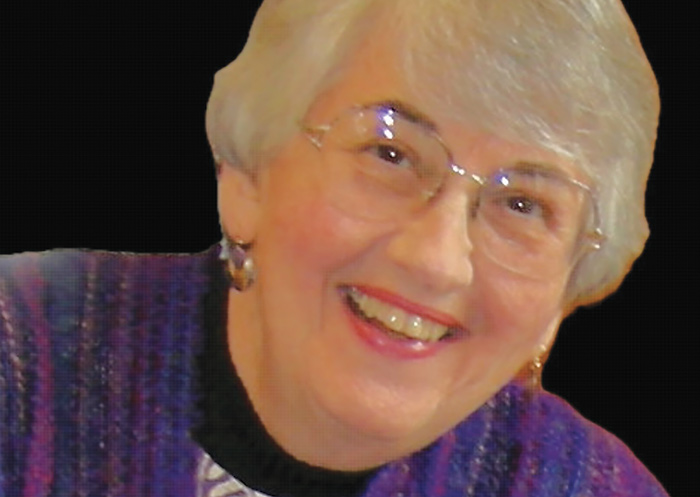
Pioneering minister, professor, volunteer
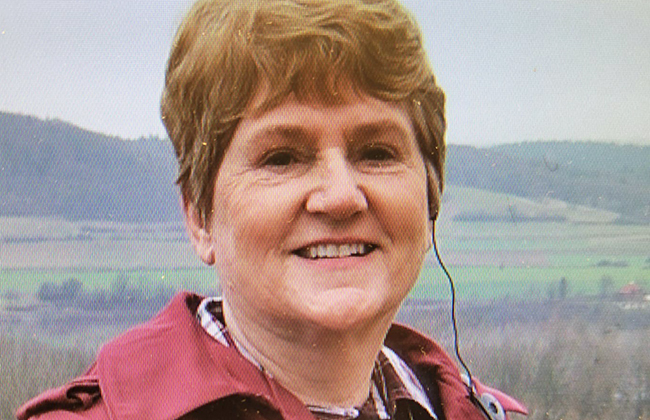
The Rev. Barbara B. Troxell died of cancer on October 17 shortly after her 90th birthday at her Pilgrim Place home in Claremont. Those who knew her, especially younger women clergy, described her as a pioneering spiritual guide and source of encouragement and deepened faith who lived as a follower of Jesus.
Barbara served the United Methodist Church in many roles, as a parish pastor, campus minister, district superintendent, conference program staffer, seminary professor, public spokesperson for justice, appointed member of national commissions and boards, ecumenical representative, and a supportive and trusted counselor and confidant to those in leadership roles.
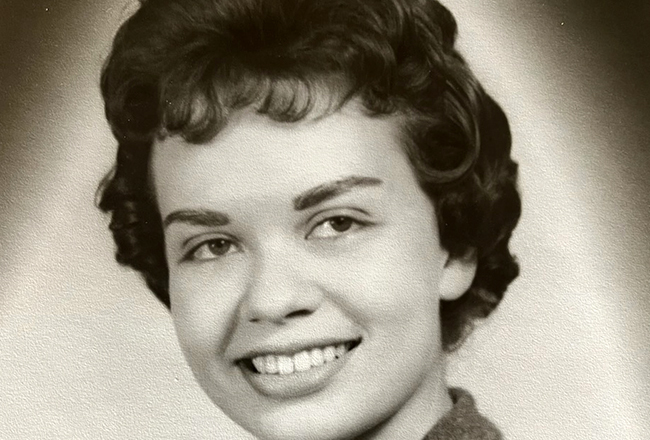
She was born in Brooklyn to parents who were educators. Her father was a church organist. She was raised at home and at Kings Highway Methodist Church shaped by music, a good education, and a strong faith. She sang in the choir, played basketball in the church league, held leadership roles in the Methodist Youth Fellowship, and felt a strong sense of calling to ministry from an early age — before she knew that women could be ordained.
“Barbara was stretched intellectually and spiritually at Swarthmore College, preaching in local rural churches while earning her degree in English literature with a minor in religion,” her husband shared. She graduated from Union Theological Seminary in New York City in 1959 with a Master of Divinity and a focus on New Testament studies and pastoral psychology. A post-graduate year followed at New College, University of Edinburgh, with retreat experiences at the Iona Community and a real-world exposure to the travails of Palestine and Israel. Returning home, she was ordained, the first woman to receive full membership in her New York conference, and appointed to a pastorate, as the first ordained woman that church had ever experienced.
Following that assignment, she pastored college communities for seven years on assignment with the YWCA movement at Ohio Wesleyan and then at Stanford, working ecumenically for civil rights, the women’s and anti-war movements, and becoming a first protestant and first clergy member of the International Grail, a pioneering woman’s movement for Catholic feminist theology and faith-based social action and service.
Beginning in 1971, she served for five years on the pastoral team of Palo Alto Presbyterian Church (remaining a United Methodist) during an especially exciting time in the life of that congregation. She then became dean of students at the Pacific School of Religion in Berkeley. She deeply studied Jungian analysis with the Guild for Psychological Studies during those years and later studied with the Shalem Institute for Spiritual Formation.
In 1974 her bishop called her back into directly United Methodist assignments, initially staffing the California-Nevada conference for four years. In 1978 she was appointed superintendent of the Golden Gate district, a culturally diverse region stretching north and south of San Francisco, which enabled her to exercise her pastoral and ecumenical gifts. “During those years it became widely known that more than one jurisdictional conferences advocated another pioneering UMC role for Barbara as a bishop, but she declined and instead leaned into ministerial leadership from within, a ministry of deep friendships, collegiality and inspiring the next generation,” her husband said.
She married Hugh Horan, who had been a Roman Catholic priest, and they moved to Chicago. “She was called to be the director of field education and spiritual formation at Garrett-Evangelical Theological Seminary, maintaining during the next 12 years an emphasis on mentoring women as well as men on the practical aspects of church work and on claiming their authority as pastors, priests, prophets and spiritual directors,” her husband said. She also taught United Methodist history.
Her birth family had been small in numbers. “Neither of her parents had siblings, Barbara had no children, and she had one sister, Sally Criticos, whose two daughters Amy and Sarah and their families were very dear to her,” her husband said. “In another sense her ‘family’ was already enormous, because of her close friendships with her students, colleagues, parishioners, and ecumenical partners. In 2002 the size of her ‘family’ grew exponentially when again single, she retired to Pilgrim Place.”
Current moderator Bear Ride said, “Barbara quickly became in her daily living the one who shows up, lends a hand, listens and cares deeply, skillfully leading the community on the board and as moderator. Our community regularly turned to her as the trusted presider at memorials and other times of prayer and worship and the source of ongoing confidential spiritual direction, including with several women pastors.”
She was an active participant in many aspects of the life of Claremont United Methodist Church and with her devotion to profound worship she was also an active member of the Order of Saint Luke, a Methodist-founded ecumenical community devoted to sacramental and liturgical scholarship and practice.
She co-established and led the Napier Initiative, which over the past 15 years has mentored 160 graduating students at the five undergraduate Claremont Colleges and provided $450,000 in awards to 33 student-developed pioneering ecological and social change projects.
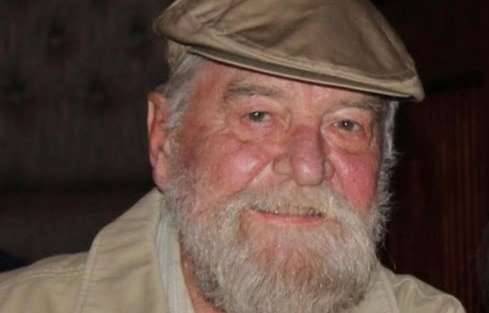
“Her family grew in another sense as she married me in 2006 a widowed fellow Pilgrim Place resident,” her husband Gene Boutilier said, “expanding her small birth family to the welcoming embrace of a large, dispersed family including my five great-grandchildren, six grandchildren, and many other new family members.”
Shortly before her death she published a memoir “My Life Journey: Both Upwards and Downwards,” a title derived from the Carl Jung quote, “No noble, well grown tree ever disowned its dark roots, for it grows not only upwards, but downwards as well.”
“A public Eucharistic witness to Christian love and faith and a celebration of Barbara Troxell’s life is planned for Saturday, December 6th at 3 p.m. in the auditorium of Pilgrim Place,” her husband said. The service will be livestreamed, with a Zoom link posted at troxell-boutilier.org. Memorial gifts are suggested at pilgrimplace.org/givingor napierinitiative.org/donate.

0 Comments